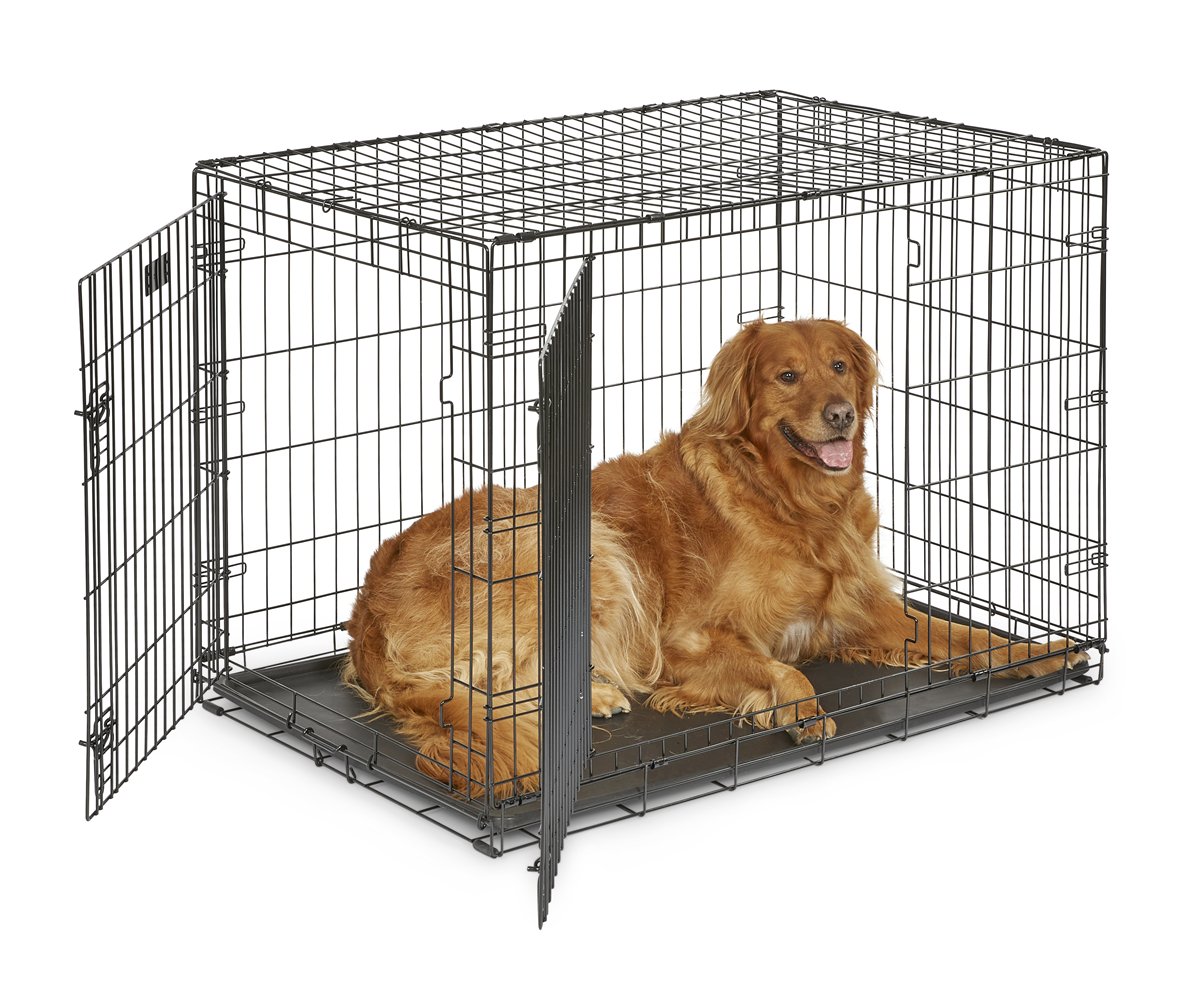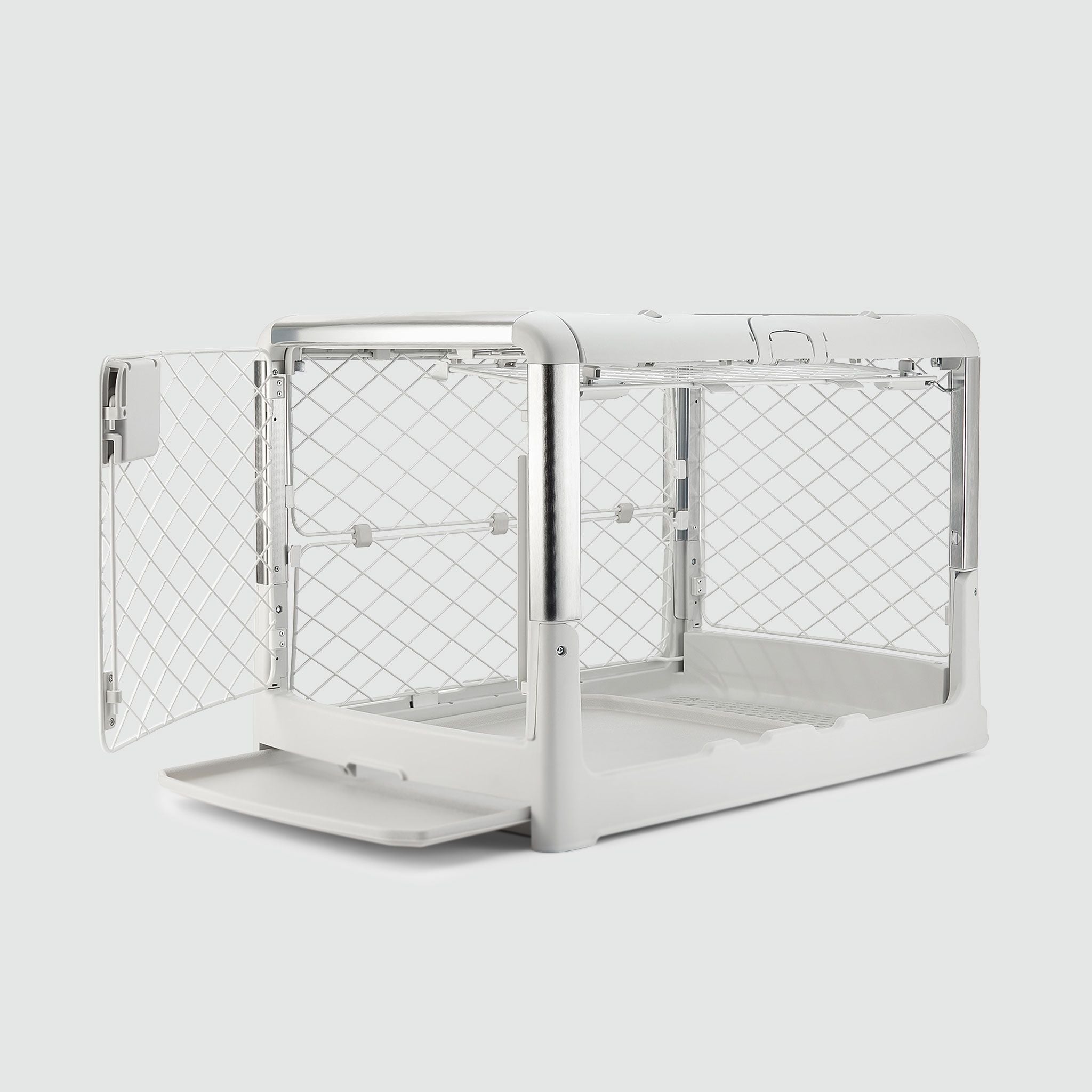
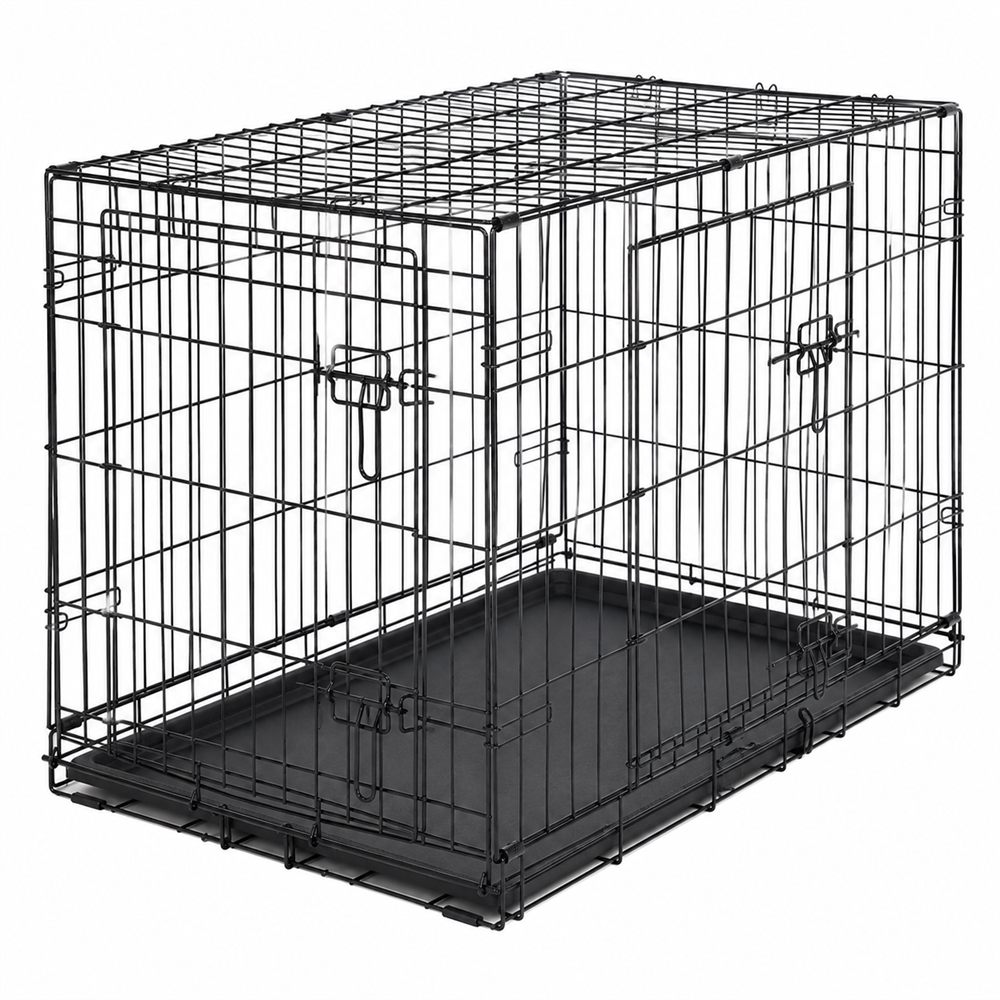
Best budget crate
Budget / $Amazon Basics 42-inch folding metal crate
Lower-cost large crate search; check door height and latch strength.
Amazon / $ / Large breeds
Breed size guide
Labrador Retriever sizing usually comes down to chest girth, sturdy everyday hardware, and enough room for an athletic body to move naturally.
Breed snapshot
Labrador Retrievers are strong, active large dogs, so harnesses, collars, beds, and life jackets should be checked for both size range and durability. Adult weight can vary widely, making current chest girth and body length more useful than breed name alone.
Most useful starting pages
Quick sizing data
Typical adult weight
55-80 lb
Use as a planning range, not the final size.
Size category
Large dog
Useful for narrowing product pages and filters.
Crate starting point
Many adults fit a 42 inch crate; tall or heavy Labs may need 48 inches.
Confirm with standing height and body length.
Harness decision point
Large is common, but prioritize chest girth over weight.
Chest girth usually decides the final harness size.
Collar check
Often 18-24 inches; check the two-finger fit after adjusting.
Measure the neck and use the two-finger fit rule.
Bed fit
Large or extra-large bed with supportive cushioning.
Size up for sprawlers, seniors, and dogs who sleep stretched out.
Expected adult measurements
Planning data
These are planning estimates for adult gear searches. Individual dogs vary, so measure the dog before ordering.
Use these ranges to narrow searches for Labrador Retriever chest girth, neck size, body length, crate size, and bed size. Product-specific measurements still decide the final fit.
Expected adult weight
55-80 lb
Existing breed weight range used for size category planning.
Estimated shoulder height
22-30 in
Helpful for crate height, door height, and bed access checks.
Estimated body length
31-44 in
Useful for crate length, bed length, and recovery coverage.
Estimated chest girth
29-40 in
Most important for harnesses and life jackets.
Estimated neck circumference
19-28 in
Use for collars and recovery cone openings.
Planning crate length
43-50 in crate
Starting point only; final crate fit needs standing height, body length, and turning room.
Fit priorities
Interactive tool
Answer a few fields, then compare the result with the brand chart before ordering.
Start here
Enter breed, weight, and any measurements you have.
Recommended size
Why this size
Breed estimates are helpful, but every dog is different. Add measurements for a tighter recommendation.
Confidence
Breed or weight estimate
Before buying
Compare this result with the brand's chart and fit notes.
Bring these numbers
If a brand chart uses body length, standing height, compare those numbers first before relying on the size label.
Verify before buying
Measure this next
Measure body length next for a tighter result.
Size up if
Size up if the dog cannot stand naturally, turn around, or lie down without pressing into the sides.
Avoid if
Avoid crates so large that a puppy can soil one end or so low that ears or head press the top.
Affiliate links may earn SizeMyPet a commission at no extra cost.
Product picks are starting points. Confirm size, price, and availability on Amazon before buying.
Best budget crate
Budget / $Lower-cost large crate search; check door height and latch strength.
Amazon / $ / Large breeds
Everyday crate pick
Balanced / $$Solid large-breed comparison for many retrievers and shepherd-size dogs.
Amazon / $$ / Large adult dogs
Premium home crate
Premium / $$$Premium large crate comparison for better finish and everyday usability.
Amazon / $$$ / Premium large setup
Puppy sizing
Large-breed puppies can look ready for adult gear before their proportions are finished. Use adjustable equipment, avoid oversized walking gear that gaps, and remeasure before buying final crates, beds, or life jackets. For crates, a divider can prevent a young dog from having too much unused space while still letting you buy for near-term growth.
High-intent sizing searches covered
Breed build
Common fit problems
Labrador Retriever dogs commonly fall around 55-80 lb as adults, but weight does not tell you chest girth, body length, neck shape, or coat thickness.
If a brand chart puts your dog between two sizes, use the measurement that controls the product: chest girth for harnesses and life jackets, body length and height for crates, neck size for collars and cones.
Sizing up can help with beds and some crates, but loose collars, harnesses, cones, or life jackets can slip, rub, or fail when the dog moves.
Breed estimate
Many adults fit a 42 inch crate; tall or heavy Labs may need 48 inches.
Large is common, but prioritize chest girth over weight.
Often 18-24 inches; check the two-finger fit after adjusting.
Large or extra-large depending on chest girth and buoyancy needs.
Large cone; confirm neck opening and cone depth.
Large or extra-large bed with supportive cushioning.
Sizing matrix
Crate
Many adults fit a 42 inch crate; tall or heavy Labs may need 48 inches.
Check interior height, body length, and turning room before ordering.
Harness
Large is common, but prioritize chest girth over weight.
Avoid shoulder rubbing, armpit rubbing, and loose neck openings.
Collar
Often 18-24 inches; check the two-finger fit after adjusting.
Choose width and hardware strength that match the dog's power.
Life Jacket
Large or extra-large depending on chest girth and buoyancy needs.
Weight rating and chest girth both need to fit, not just one.
Recovery Cone
Large cone; confirm neck opening and cone depth.
Cone depth must extend past the nose enough to stop licking.
Bed
Large or extra-large bed with supportive cushioning.
Supportive fill matters; thin beds can flatten under heavier dogs.
Product readiness
Crate
Harness
Collar
Life Jacket
Recovery Cone
Bed
This guide is a helpful starting point for Labrador Retriever dogs, but body shape, age, coat, and brand sizing can change the final choice.
More products
Similar breeds
FAQ
Labrador Retriever dogs are usually treated as Large size dogs for planning, with typical adult weight around 55-80 lb. Use current measurements for the final size.
Start with weight, chest girth, and body length. Add product-specific measurements before ordering.
Size up only when the brand chart, movement room, or support requirements point that way. A larger product is not automatically safer if it slips or gaps.
Many adults fit a 42 inch crate; tall or heavy Labs may need 48 inches. Measure standing height and body length before ordering because crate labels and breed averages can miss tall, long, or still-growing dogs.
Large is common, but prioritize chest girth over weight. Chest girth is the best starting measurement, and the harness should not rub behind the front legs or restrict shoulder movement.
Large or extra-large bed with supportive cushioning. Choose the final bed by sleeping style and full body length, especially if the dog sprawls, stretches, or needs senior support.
SizeMyPet gives cautious starting points from breed ranges, product type, and measurements. Brand size charts, product instructions, and veterinarian guidance should decide the final fit.