
What to remember
- Crate size should be based on usable space, not just the crate label.
- Length and standing height are more reliable than weight alone.
- Puppies may need a divider crate to avoid too much unused space.
Sizing Data Used On This Page
Crate measurements and checks
Measurement inputs
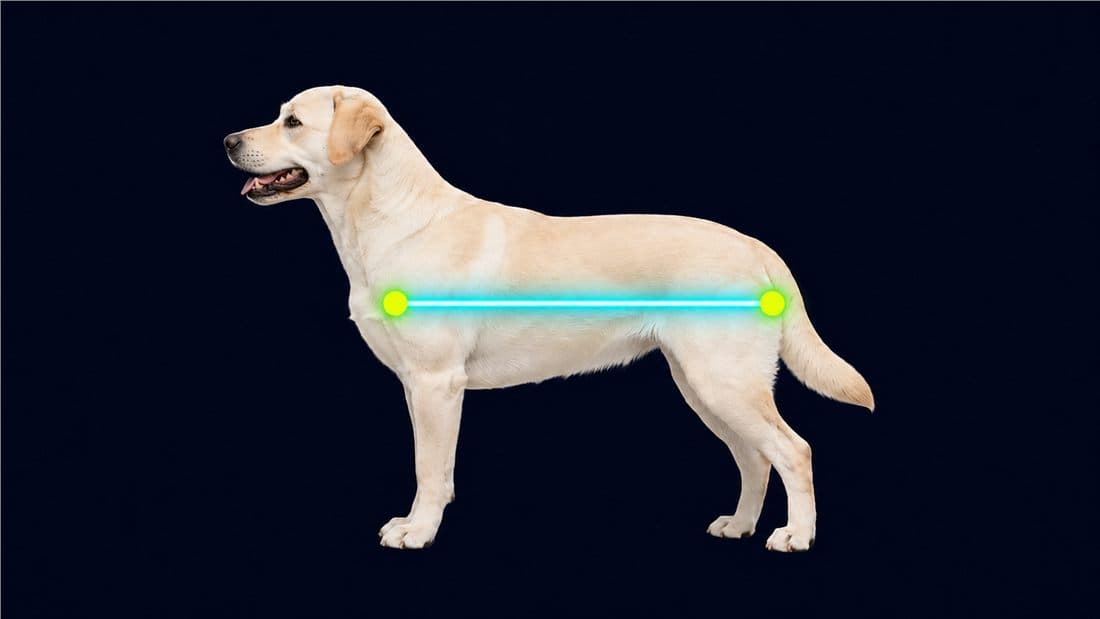
- Measure from nose to base of tail for crate length.
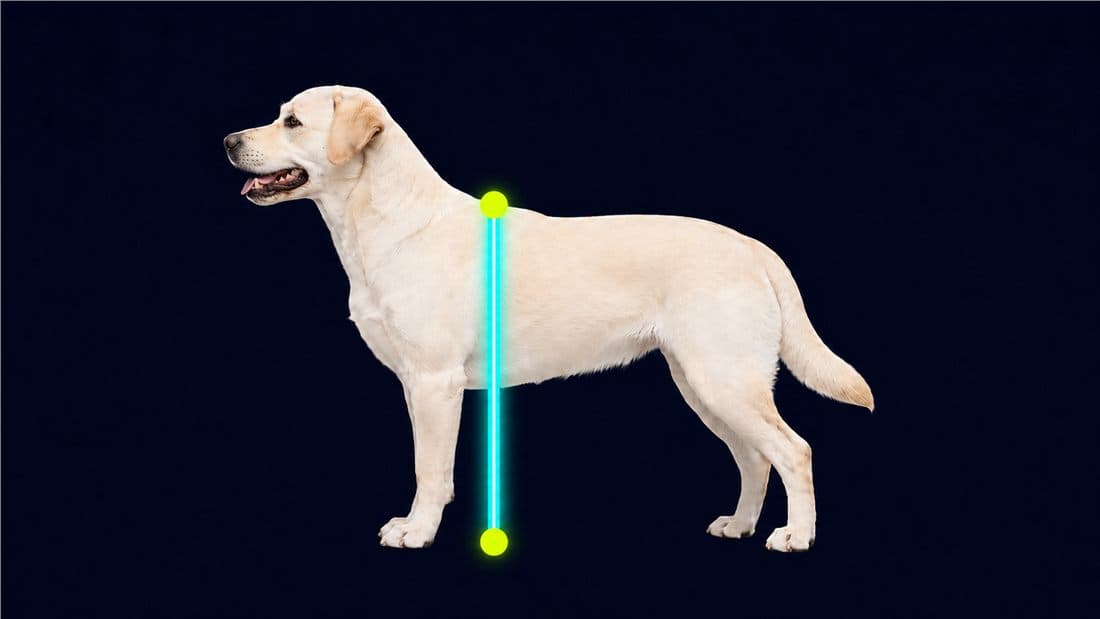
- Measure from floor to top of head or ears while standing.
- For puppies, consider a divider crate when safe and appropriate.
Common sizing mistakes
- Buying only by weight.
- Choosing a crate so large that puppies can soil one end.
- Forgetting door height for tall breeds.
Fit checklist
- Dog can stand naturally.
- Dog can turn around easily.
- Dog can lie down with legs comfortable.
- Door and latches feel secure.
Useful product features
- Adjustable divider
- Rounded corners
- Easy-clean tray
- Secure latch
Breed examples from the SizeMyPet dataset
Chihuahua
Toy size category
Typical adult range: 3-6 lb
Beagle
Medium size category
Typical adult range: 20-30 lb
Border Collie
Medium size category
Typical adult range: 30-55 lb
Labrador Retriever
Large size category
Typical adult range: 55-80 lb
Great Dane
Giant size category
Typical adult range: 110-175 lb
Irish Wolfhound
Giant size category
Typical adult range: 105-180 lb
Use Weight to Narrow the Range
Weight is useful for choosing a likely crate category, especially when you are comparing small, medium, large, and extra-large crates. It is not enough by itself because long-backed, deep-chested, and tall breeds can need different crate dimensions at the same weight.
- Toy and small dogs often need enough turning room more than extra length.
- Deep-chested large breeds may need extra door height.
- Giant breeds need hardware and panel strength as well as floor space.
Measure Body Length
Measure from the front chest or nose area through the body depending on the crate brand's instructions. Your dog should be able to lie down without being curled tightly against the ends of the crate.
- Add a few inches for adult comfort.
- Avoid massive extra space for house-training puppies.
- Check usable interior dimensions, not only package dimensions.
Measure Standing Height
Standing height is the common miss on crate sizing. A dog should be able to stand naturally without the head, shoulders, or ears pressing into the top panel. Tall breeds may outgrow a crate by height before length.
- Measure from floor to top of head or ears.
- Compare against crate interior height.
- Check door height if your dog is tall or hesitant entering crates.
Breed Build Changes the Final Choice
Breed estimates are helpful when planning a purchase, but individual build still wins. A Basset Hound, Border Collie, and Bulldog can overlap in weight while needing different crate proportions.
- Long-backed breeds need more usable length.
- Tall or deep-chested breeds need height checks.
- Heavy or anxious dogs need stronger latches and panels.
Common questions
Can I choose a dog crate by weight only?
Weight can narrow the range, but body length and standing height should decide the final crate size.
How much extra room should a dog crate have?
A dog should be able to stand, turn around, and lie down comfortably. Too much extra room can be a problem for puppies during house training.