
What to remember
- Body length matters more than breed name for bed sizing.
- Sprawlers need more flat surface than curled sleepers.
- Bolsters can reduce usable space even when the bed looks large.
Sizing Data Used On This Page
Bed measurements and checks
Measurement inputs
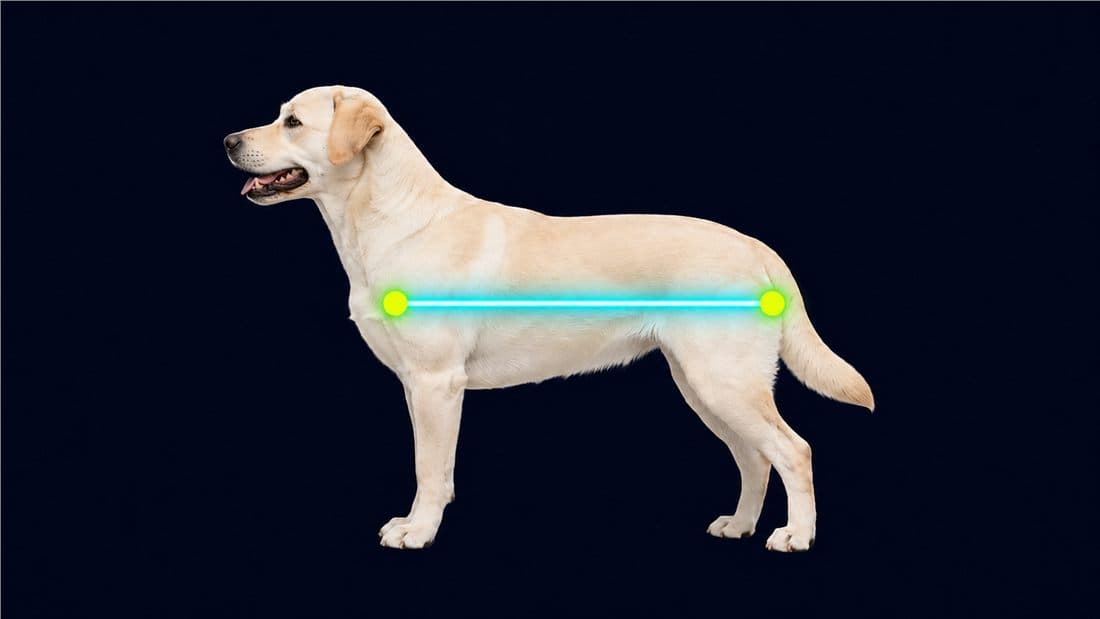
- Measure your dog from nose to tail while resting.
- Notice whether they curl up or stretch out.
- Add extra room for senior dogs who need easier positioning.
Common sizing mistakes
- Buying a bed that only fits curled-up sleeping.
- Choosing thin fill for heavy dogs.
- Forgetting washable covers.
Fit checklist
- Dog fits without hanging off.
- Cushion supports weight.
- Cover is washable.
- Bolsters do not reduce usable space too much.
Useful product features
- Washable cover
- Supportive foam
- Low entry edge
- Room to stretch
Breed examples from the SizeMyPet dataset
Dachshund
Small size category
Typical adult range: 11-32 lb
Bulldog
Medium size category
Typical adult range: 40-50 lb
Labrador Retriever
Large size category
Typical adult range: 55-80 lb
Golden Retriever
Large size category
Typical adult range: 55-75 lb
Great Dane
Giant size category
Typical adult range: 110-175 lb
Irish Wolfhound
Giant size category
Typical adult range: 105-180 lb
Measure the Way Your Dog Rests
Dog bed sizing works best when you measure how your dog actually sleeps. A dog that stretches out needs a longer surface than a dog that curls into a tight ball, even if both are the same breed.
- Measure from nose to tail while resting or lying naturally.
- Add extra room for dogs that stretch or change positions.
- Measure current favorite sleeping spots for a reality check.
Watch Usable Surface Area
A bed can look large while offering less usable space because of bolsters, raised edges, seams, or thick pillows. For big dogs, compare the actual sleep surface instead of only the full product dimensions.
- Check interior dimensions on bolster beds.
- Choose flat beds for full-body stretching.
- Use low-entry edges for senior dogs or dogs with mobility issues.
Match Support to Weight
Bed size is not just about length. Heavier dogs need foam or fill that keeps the body supported instead of flattening quickly. A bed that is technically large enough can still be a poor fit if the cushion collapses.
- Look for supportive foam for heavy or senior dogs.
- Check weight guidance from the manufacturer.
- Avoid thin fill for giant breeds or joint support needs.
Plan for Cleaning and Placement
The best bed size also fits your home. Measure the area where the bed will sit and make sure washable covers, door clearance, and room layout work before buying oversized options.
- Confirm washable covers for muddy or shedding dogs.
- Leave enough walking room around the bed.
- Use a larger bed if your dog shares space with toys or blankets.
Common questions
Should I size up for a dog bed?
Usually yes if your dog sprawls, stretches out, or changes positions often. Extra bed room is less risky than extra crate room.
Can a dog bed be too big?
A bed can be awkwardly large for your room, but most dogs tolerate extra sleep space well. Support and usable surface matter more.