
Suggested comparison
Budget / $Nature's Miracle high-sided litter box
Open high-sided comparison for cats that need more usable room and scatter control.
Amazon / $ / Large open box
Shop on AmazonLitter box guide
Choose a litter box size by cat body length, turning room, side height, entry access, and multi-cat setup.
Interactive cat tool
Use the cat's measurements and your setup to get a clearer starting point before comparing listings, brand charts, and safety details.
Result
Litter boxes get easier to compare once you know the cat's body length and whether entry height is a concern.
Compare this first
Next number to collect: Body length
Next step
Enter body length to get a minimum litter box interior target for comparing standard pans and storage-bin alternatives.
Verification checklist
Suggested comparison
Budget / $Open high-sided comparison for cats that need more usable room and scatter control.
Amazon / $ / Large open box
Shop on AmazonMeasurement-first
Measure from nose to the base of the tail, not including the tail.
Start at about 1.5 times body length, then check the usable interior space.
Kittens, seniors, and cats with arthritis may need a lower entry point.
Small cats
18-22+ in interior
Confirm turning and digging space.
Average adults
24+ in is often better
Many standard boxes are tight for adult cats.
Large cats
27-30+ in interior
Under-bed storage bins can be a practical option.
Measure your cat from nose to the base of the tail, then look for a box at least one and a half times that length. The cat should have room to enter, turn, dig, and posture normally.
A long but narrow box can still feel cramped. Side height also matters: high walls reduce scatter, but they can be hard for kittens, seniors, or cats with mobility issues.
Covered boxes hide mess for humans, but some cats dislike the enclosed space or trapped odor. If your cat avoids a covered box, try a large uncovered option before blaming the litter.
For multi-cat homes, box count and placement matter. The common starting rule is one box per cat plus one extra, with boxes in different useful locations.
Amazon picks
These links open Amazon comparisons for the selected product names. Check the current listing, size chart, seller, shipping, and return details before ordering.
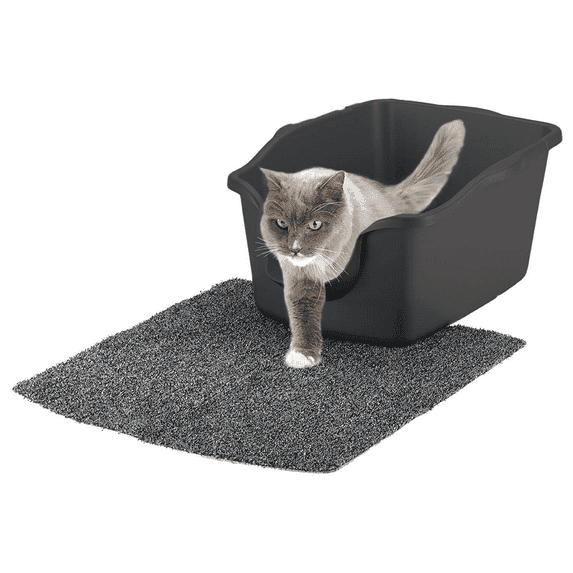
Budget open box
Budget / $Open high-sided comparison for cats that need more usable room and scatter control.
Amazon / $ / Large open box
Shop on Amazon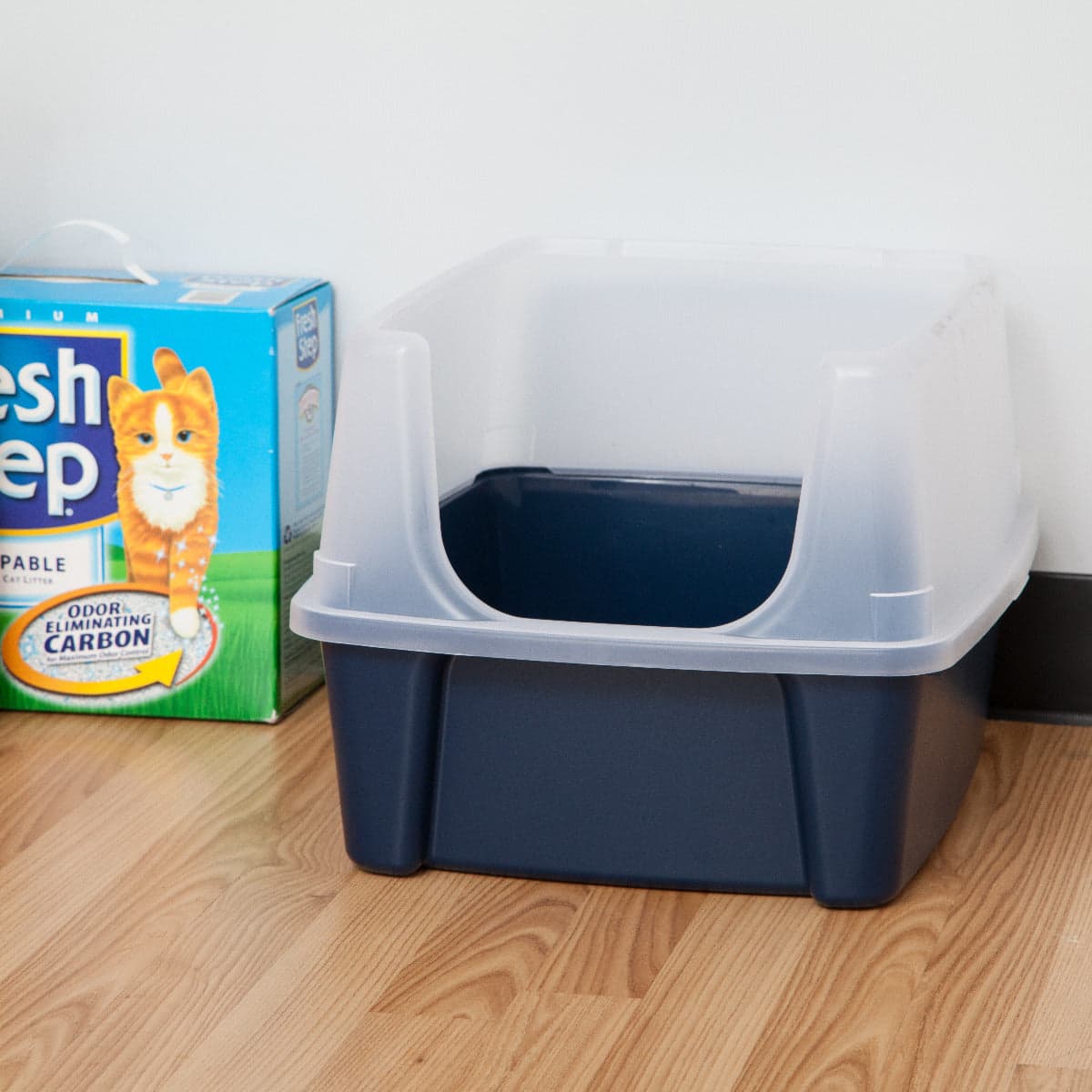
Balanced shielded box
Balanced / $$Shielded open-top comparison for cats that need room without a fully covered box.
Amazon / $$ / Scatter control
Shop on Amazon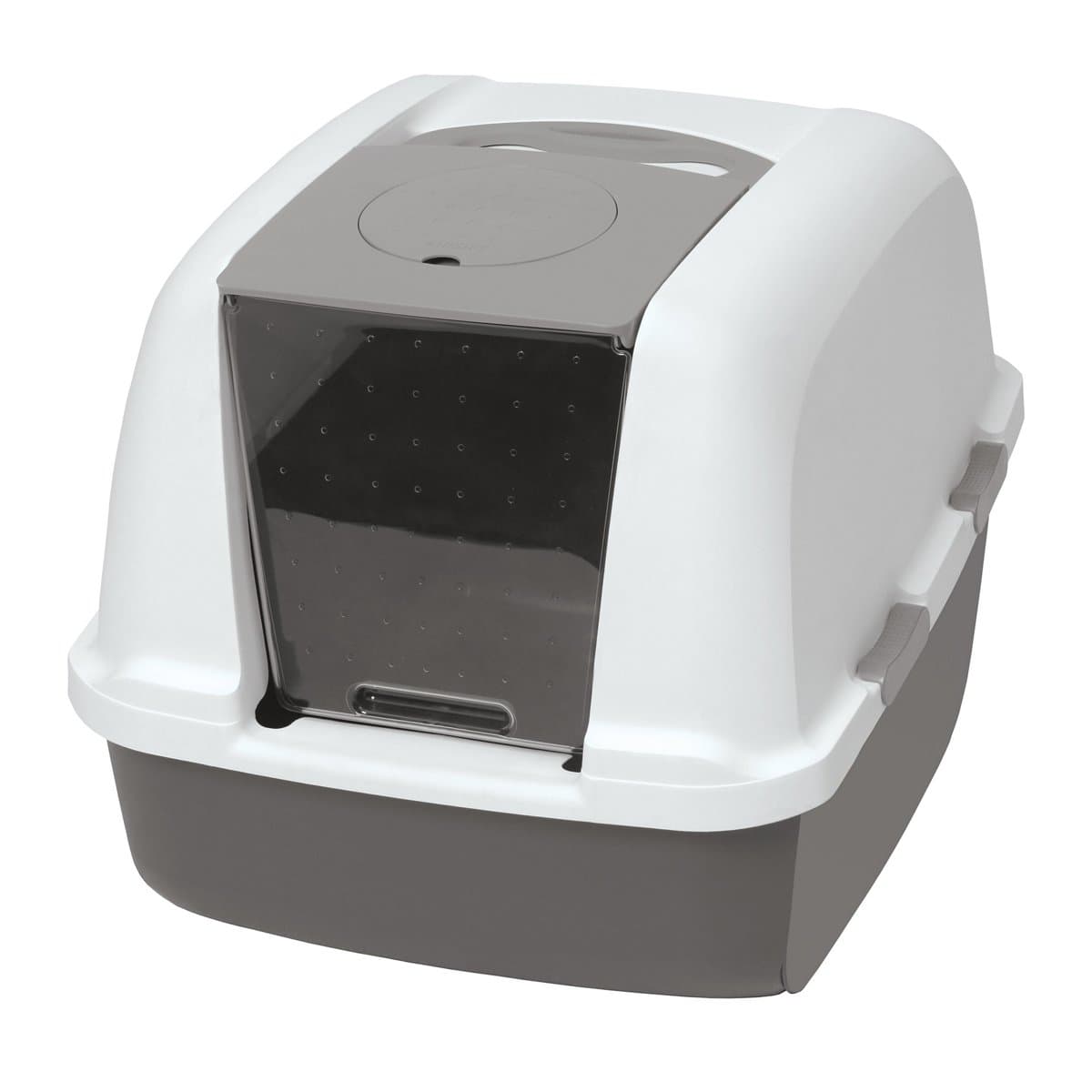
Large covered option
Premium / $$$Large covered comparison for homes where odor control and interior room both matter.
Amazon / $$$ / Large covered setup
Shop on AmazonA good starting point is a box at least 1.5 times the cat's body length from nose to tail base, with enough width to turn around.
From the cat's point of view, bigger is usually fine if the entry is easy. Oversized boxes mainly become a space and cleaning decision for the home.